Last Updated on March 30, 2026 by Distance Parent
How to Make a Letter Writing Kit
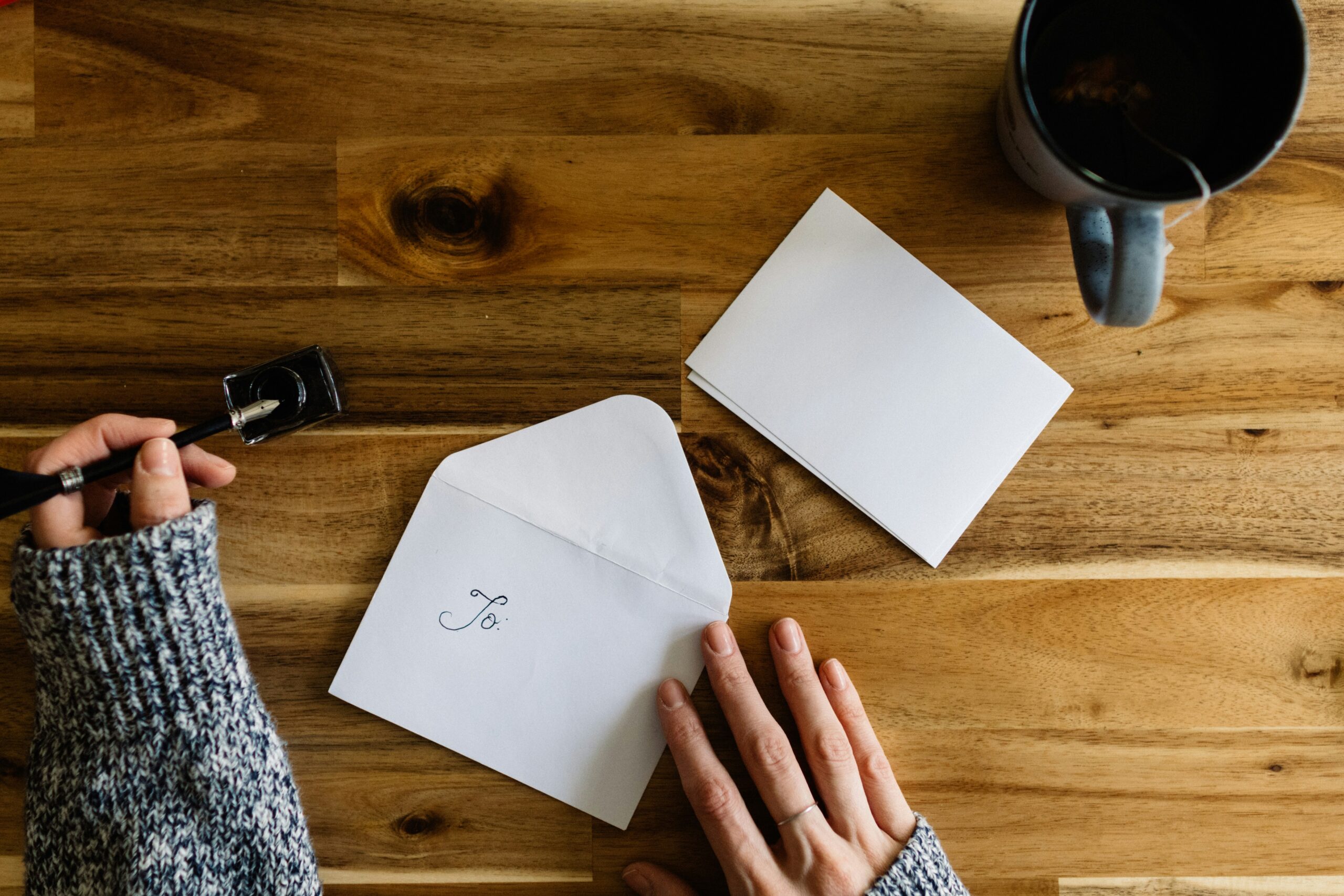
Physical mail has become more meaningful, not less, as digital communication fills every corner of daily life. Getting a real letter or card in the mailbox is a small event. For long-distance parents looking for ways to stay connected with their child between visits and video calls, letter writing is a genuinely powerful tool. Having everything organized and ready makes it far more likely to actually happen.
Here is how to set up a letter-writing kit that is organized, portable, and ready to use whenever the mood strikes.
The product links on this page are Amazon affiliate links. As an Amazon Associate this site earns from qualifying purchases. If you purchase through these links, you will not pay any more for the product, and a small commission helps support the site.
What to Keep It In
The biggest obstacle to letter writing is not a lack of interest; it is having to hunt for stamps, find an envelope, locate a pen, and remember the address all at once. A well-organized kit removes every one of those obstacles.
The approach that works best is to keep it portable and organized by category, rather than dumping everything into a single box where everything gets jumbled together. Two container styles work particularly well and can be used separately or together:
An accordion file with ten to twelve slots handles cards, stationery, postcards, and flat paper items well. Each slot holds a different category, so nothing gets lost.
A three-ring binder with zip-lock binder pouches and pocket folders handles smaller items like stamps, address labels, stickers, and pens. A three-inch binder gives plenty of room. Two inches works if the sticker collection is modest.
The binder and accordion file together cover everything. Either one works on its own if you prefer to keep it simple.
What Goes in Your Letter Writing Kit
Once the container is sorted, fill it with everything needed to write and send a letter without leaving the sofa:
Forever stamps: Buy as many as you like; they never expire.
Peel-off address labels with your address. Print your own using Avery blank labels and a regular printer, a few pages at a time, and reprint as needed. Particularly useful if either you or your child moves.
Peel-off address labels with your child’s address, same approach, same flexibility.
Plain white envelopes are useful to have alongside any decorative options.
A pack of blank cards with envelopes or a set of stationery.
Bling: stickers, decorative gems, glitter pens, washi tape, and whatever else makes letters fun to make and fun to open. A craft store’s scrapbooking section has entire aisles of options. One note: avoid putting actual loose glitter in a letter. Every co-parenting relationship is different, but it tends not to go over well.
Letter-sized extras: small gift cards, stickers, comic strips, magazine clippings, postcards. Any time something turns up that could be mailed, save it and add it to the kit for later.
Pre-shopped cards. Keep a small stock on hand. Cards that simply say “hi” or “I love you” with space to write are the most versatile.
Postcards. Collect them whenever you find them. A postcard with a picture of where you live, a favorite animal, or a place you have visited together is a small but meaningful thing to send.
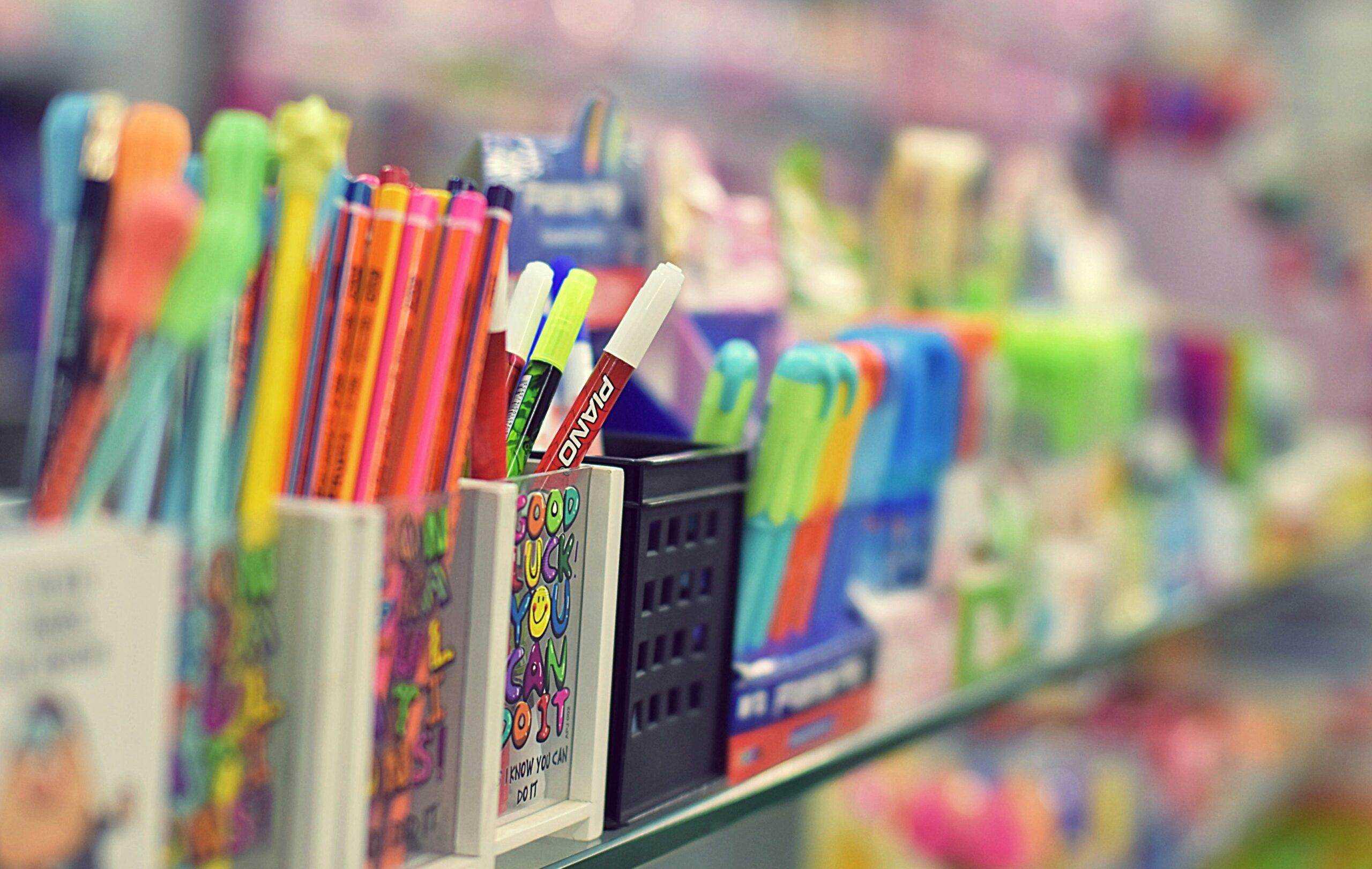
Pens, pencils, markers, and crayons. Include whatever writing implements you actually enjoy using.
Sending a Letter Writing Kit to Your Child
Equipping a child with everything they need to write back goes a long way toward actually receiving letters. The three-ring binder approach works particularly well for children who already use binders at school. It is familiar, all-in-one, and can hold both paper items and small supplies in the pouches.
Fill the child’s kit with everything they need to send a letter or card. Lean into the fun supplies: more stickers, more markers, more interesting paper. Small gift cards can be left out in favor of things that make the writing experience enjoyable rather than transactional.
Send the kit with your child at the start of a visit or mail it ahead of time as a surprise. Include a pre-addressed, pre-stamped envelope ready to go, so the barrier to sending that first letter is as low as possible.
For more ideas on staying connected between visits, see How to Make Video Calls Fun and Virtual Visitation for Long Distance Parents.
Frequently Asked Questions
Physical mail creates a tangible, lasting connection that digital communication does not. A letter can be kept, reread, and saved in a way that a text message or video call cannot. For children, especially, receiving something addressed specifically to them in the mail is a small but meaningful event that reinforces the relationship across distance.
Making it easy and making it fun are the two most effective approaches. A dedicated kit with everything in one place removes the practical obstacles. Fun supplies make the activity appealing rather than dutiful. Sending letters first, with stickers, drawings, and small surprises tucked inside, gives the child something to respond to and models the kind of correspondence you are hoping to receive.
Yes. Physical letters and video calls serve different purposes. A letter can be held, saved, and returned to. It does not require a device, a wifi connection, or a scheduled time. For young children, especially, something physical that arrives in the mail and belongs entirely to them carries a kind of weight that a screen cannot replicate.