Last Updated on April 20, 2026 by Distance Parent
How to Help Your Child Transition Between Two Homes
Any change in family situation requires adjustment from a child. Divorce brings significant disruption on its own. When a child also moves between two homes, each with its own routines, schools, and environments, the transitions require real thought and care from both parents.
The good news is that with a little preparation, these transitions can feel manageable and even positive for a child. The strategies below come from real long-distance parenting experience and address the three areas where thoughtful handling makes the biggest difference: school changes, arriving at a new home, and staying aligned with your co-parent on the day-to-day details.
Changing Schools
For children in long-distance parenting arrangements who attend different schools in each parent’s area, the school transition is often the most anxiety-producing part of the change. Taking time to make it feel familiar before it is required makes a significant difference.
Before the first day, visit the school together. Meet the teacher, walk around the playground, and sit in the classroom for a few minutes. Let the child set the pace: when they are ready to leave, leave. Spend the rest of that day together doing something comfortable and low-key. Most children, given that kind of gentle introduction, are ready to walk in on their own the next day.
For staying involved in your child’s education across distance, see How to Stay Involved With Your Child’s School.
Arriving at a New Home
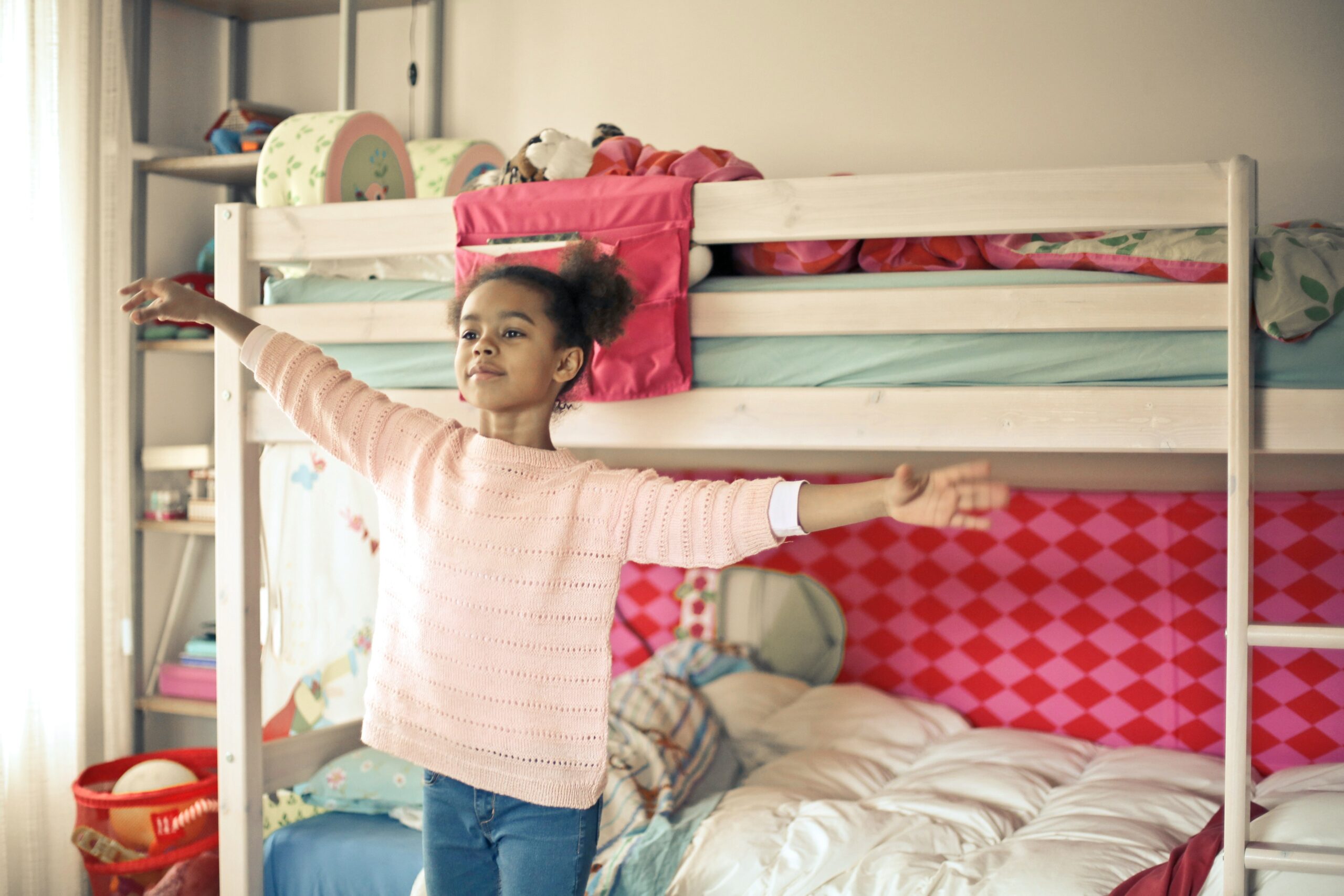
The first time a child comes to stay with the long-distance parent, it can feel overwhelming if the space feels unfamiliar and nothing belongs to them. Making the space feel theirs genuinely from the start changes that dynamic entirely.
Have a few new things waiting: a bed set, some clothes, a toy or two. Then spend the first day unpacking together. Sit with the child as they show you their toys one by one. Help them fold their clothes. Let them decide where things go. On every subsequent visit, they should find their space exactly as they left it; their bed made the way they like it, their things where they put them. That continuity builds a sense of home faster than anything else.
It also helps to be part of the packing process at the other parent’s house. When both parents and the child pack together, it frames the transition as an adventure rather than a disruption, particularly effective before a long flight.
Plan for a settling-in period of a day or two before school starts. Children arriving after a long trip are often tired, overstimulated, and a little out of sorts. Giving them time to find their footing before adding the pressure of a new school environment makes the whole transition smoother. For more on planning visitation schedules with this buffer time in mind, see Visitation Schedules, Travel, and What to Include in Your Plan.
Communicate About Habits With Your Co-Parent
Every time a child moves between homes, both parents benefit from a brief exchange of information about where things stand. The most useful things to cover are what the child has been eating, their current schedule, what they have been learning, what they are finding difficult, and any behavioral patterns worth knowing about.
This does not need to be a lengthy conversation; a quick update before the handoff covers most of it. The goal is for the receiving parent to have the child’s current favorite foods ready, know what the child is used to doing each day, and not start from scratch with established routines. Small things such as a preferred bedtime snack, a new fear, or a game they are obsessed with make a real difference in how quickly a child settles in.
Frequently Asked Questions
The most effective strategies are preparing the child for school transitions in advance, making the long-distance parent’s home feel it is genuinely theirs from the first visit, building in settling-in time before school starts, and keeping both parents aligned on the child’s current habits and routines at each handoff.
Having a few new things waiting for the child, spending the first day unpacking and claiming the space together, and maintaining that space exactly as the child left it on each subsequent visit all build a sense of home and belonging quickly.
The most useful information to exchange at each transition includes the child’s current eating habits, daily schedule, what they have been learning, any difficulties they are experiencing, and behavioral patterns worth noting. Keeping both parents up to date on these details makes transitions significantly smoother for the child.
A day or two of buffer time between arrival and the first day of school makes a meaningful difference. Children arriving after travel are often tired and need time to adjust before adding a new school environment to the mix. Building this buffer into your parenting plan ensures it happens consistently.
Visiting the school together before the first day, meeting the teacher, and walking through the space removes much of the anxiety. Most children who get that kind of gentle introduction are ready to attend the following day independently.